Next steps
If you are considering succession and want clarity on whether an EOT or another structured exit route is right for you, complete the Exit Readiness Survey or book a confidential founder conversation.

Sector: Patient focused research consultancy
Turnover range: £5m to £10m
Team size: 20 to 50 employees
Ownership structure: Founder and shareholder led
Stage of business: Mature, profitable, succession ready
Location: London
By April 2025, the shareholders at Acaster Lloyd were facing a critical decision. What is the right exit route and how do we execute it properly?
The business was performing strongly. The team was established. The culture was deeply embedded.
The shareholders needed clarity on which exit route aligned with their financial goals, which option protected the firm’s culture and client first ethos, how tax and regulatory changes would affect outcomes, and how to execute a transaction without destabilising the business.
Private equity was carefully evaluated, but ultimately the shareholders decided they did not want to pursue a PE backed sale. Cultural alignment, long term stewardship, and legacy mattered more than short term financial engineering.
Doing nothing would have meant prolonged uncertainty and increased succession risk. This was not simply a transaction. It was a legacy decision.
The shareholders recognised that this required structured evaluation of all exit routes including trade sale, private equity, management buyout, and Employee Ownership Trust. The tax landscape was shifting. Internal debate alone would not provide sufficient objectivity. They needed an experienced partner to design and coordinate the entire process.
Chalkhill Blue was engaged in April 2025 to determine the most appropriate exit strategy and to build and execute a detailed exit plan via a EOT.
Whether you’re planning to exit in the next 12–24 months or want to ensure your business is saleable, valuable, and exit-ready in the next 5–10 years, Chalkhill Blue helps you prepare with clarity, confidence, and a proven roadmap.
Our Exit Advisory service is built around a simple principle:The best exits are the result of building a better business — long before you sell.
We conducted a structured strategic options review covering trade sale, private equity, management buyout, and Employee Ownership Trust. Each route was assessed against shareholder financial objectives, cultural and legacy considerations, tax efficiency, governance requirements, and long term sustainability.
Following this review, the shareholders concluded that an Employee Ownership Trust offered the strongest alignment with their values and long term vision.
Once the EOT route was selected, Chalkhill Blue designed the transaction structure, built a detailed execution roadmap, and coordinated a trusted network of established legal and financial strategic partners to complete the transaction team.
Chalkhill Blue managed sequencing, modelling, and stakeholder communication, and navigated additional complexity created by post Budget tax changes.
Chalkhill Blue also focused heavily on governance design, recognising that strong oversight is essential for EOT success.
This included supporting the appointment of a suitable Independent Trustee Chair for the new Trust Board, advising on the composition and structure of the Trust Board, helping design the new Operating Board, and supporting the promotion of two senior executives into the role of Joint Managing Directors to ensure leadership continuity post transaction.
The exit via EOT was successfully completed at the end of February 2026.
Throughout the process, Chalkhill Blue maintained structured oversight through regular strategic steering sessions, financial modelling reviews, governance design workshops, independent challenge at key decision points, and close coordination across all advisers.
If you are considering succession and want clarity on whether an EOT or another structured exit route is right for you, complete the Exit Readiness Survey or book a confidential founder conversation.


Chalkhill Blue helped Whatley & Co (Pewsey) Limited significantly improve profitability and operational performance using its Scale Up Coaching programme, delivering 35 percent turnover growth, 113 percent gross profit growth, and 283 percent net profit growth within three years, alongside a strategic acquisition to accelerate scale.
February 2026


Chalkhill Blue helped a founder led grounds maintenance and tree surgery business move from low profitability and operational strain to structured growth using Growth Coaching and Funding Advisory, resulting in turnover exceeding £1m, doubled profitability and a successful funding strategy to support accelerated expansion.
January 2025
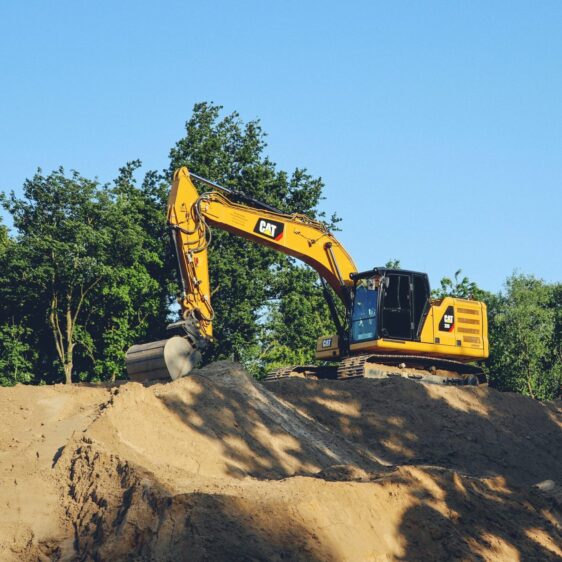

Chalkhill Blue helped a fast growing groundworks and landscaping business overcome operational chaos and founder dependency using its Growth Coaching programme, resulting in improved cashflow, stronger margins and a more accountable team within six months.
April 2024


Chalkhill Blue helped an owner managed childcare business overcome burnout, capacity constraints, and stalled growth using its Growth Coaching programme, resulting in multi site expansion, a seven figure turnover, and a complete leadership transformation.
April 2024


Chalkhill Blue helped an owner managed electrical contracting business overcome founder dependency, inconsistent profitability and operational strain using its Growth Coaching programme.
April 2024


Chalkhill Blue helped the UK subsidiary of a major US pet product group overcome declining margins, brand erosion and strategic drift using its Business Transformation Advisory service.
April 2024


Chalkhill Blue helped Grey Matter Learning transition from a traditional face to face training provider to a scalable e learning business using its Exit Planning and Exit Readiness framework.
February 2026


Chalkhill Blue helped a fast growing electrical services business in Jersey move from uncertainty and operational strain to structured scale using its Scale Up Coaching programme.
February 2026


Chalkhill Blue helped a long-established specialist agricultural air conditioning parts distributor reignite growth and strengthen leadership alignment using Scale Up Coaching and Non Executive Advisory services, resulting in improved performance, international expansion across Western Europe and Ireland, and a more strategic board led approach to the company’s future.
February 2026